BREATHWORK
How we breathe shapes how we live.
Breathwork works directly with the nervous system, emotional body, and subconscious patterns. Through conscious, connected breathing, we restore natural breathing rhythms, improve oxygen efficiency, and create space for the body to regulate itself.
By working with the breath in a structured and intentional way, tension softens, awareness deepens, and the body returns to a state of balance, presence, and functional ease.
CONSCIOUS BREATHING
SPIRIT BREATH
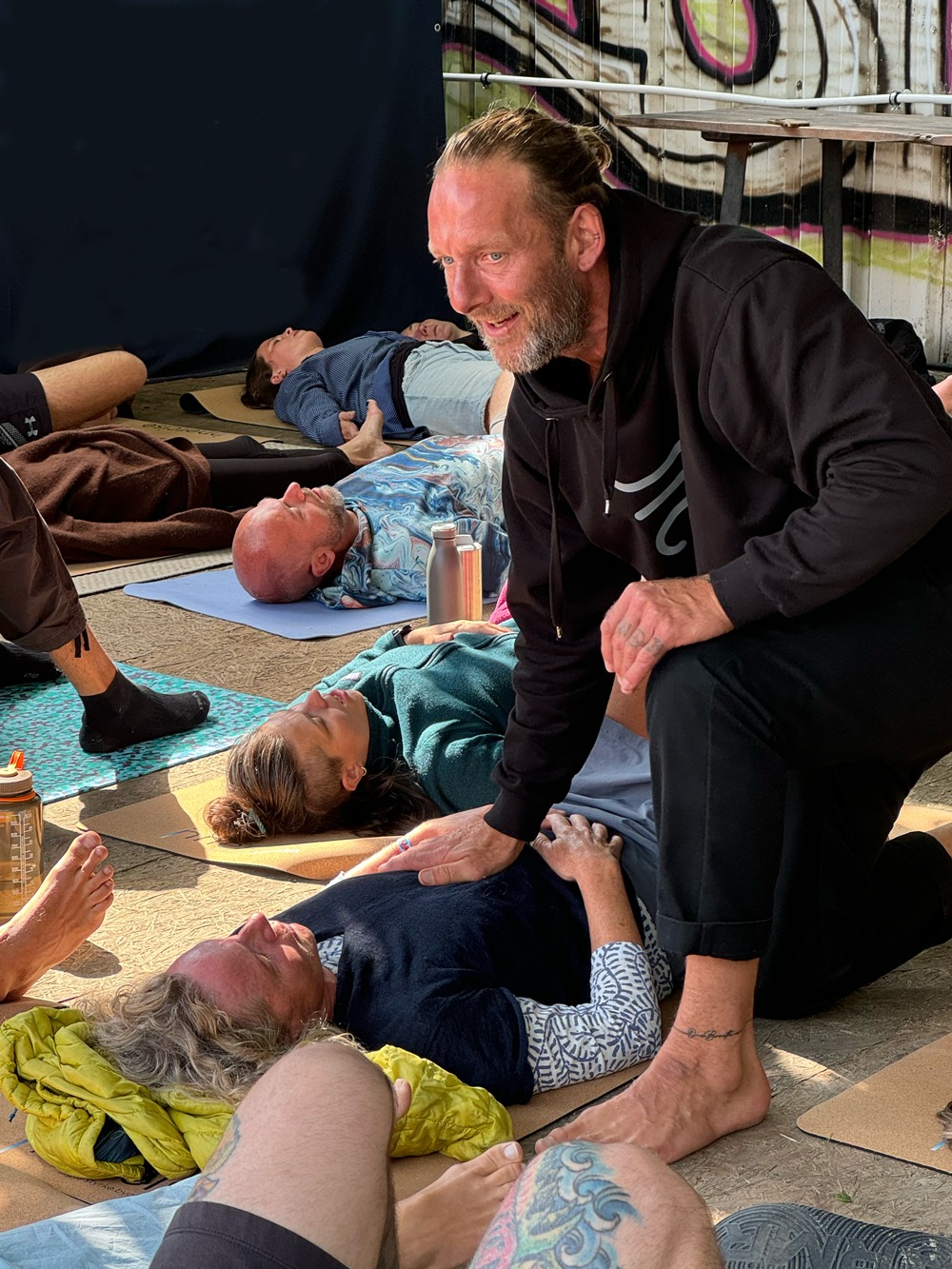
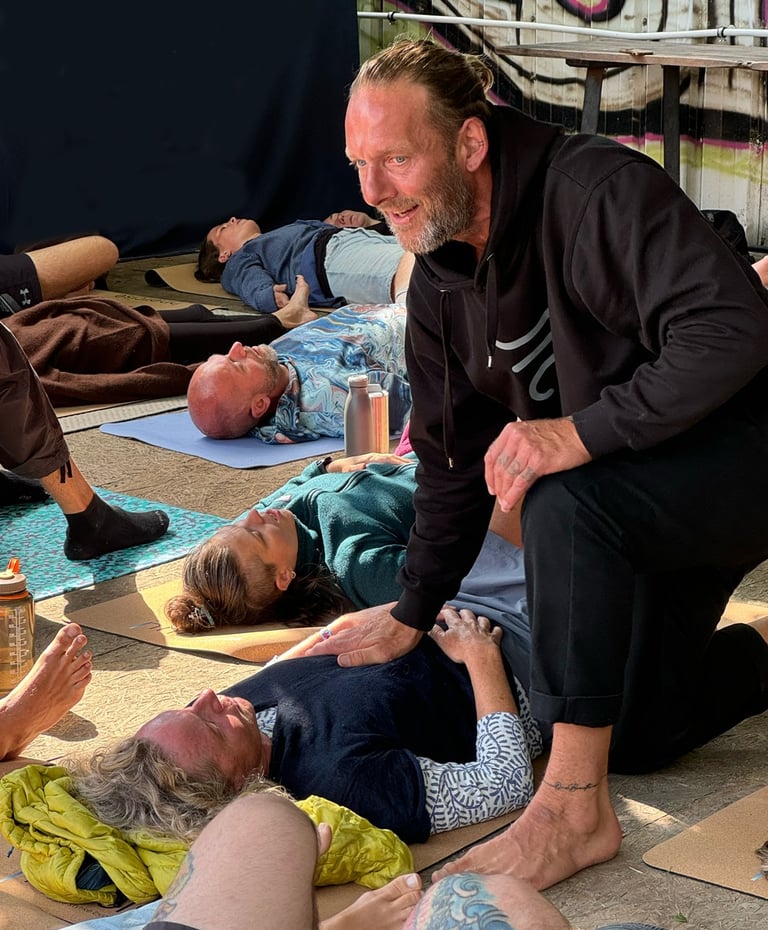
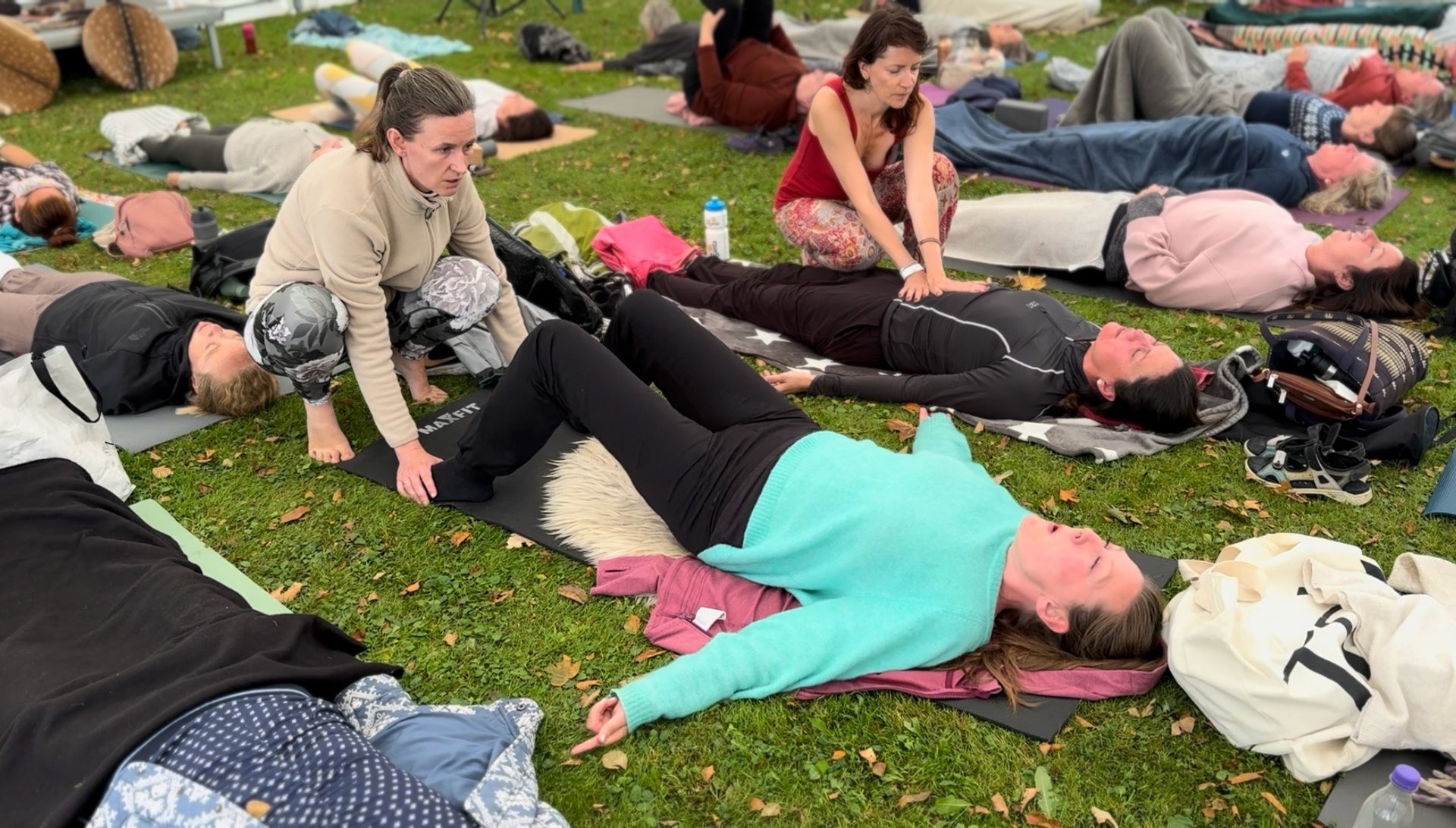
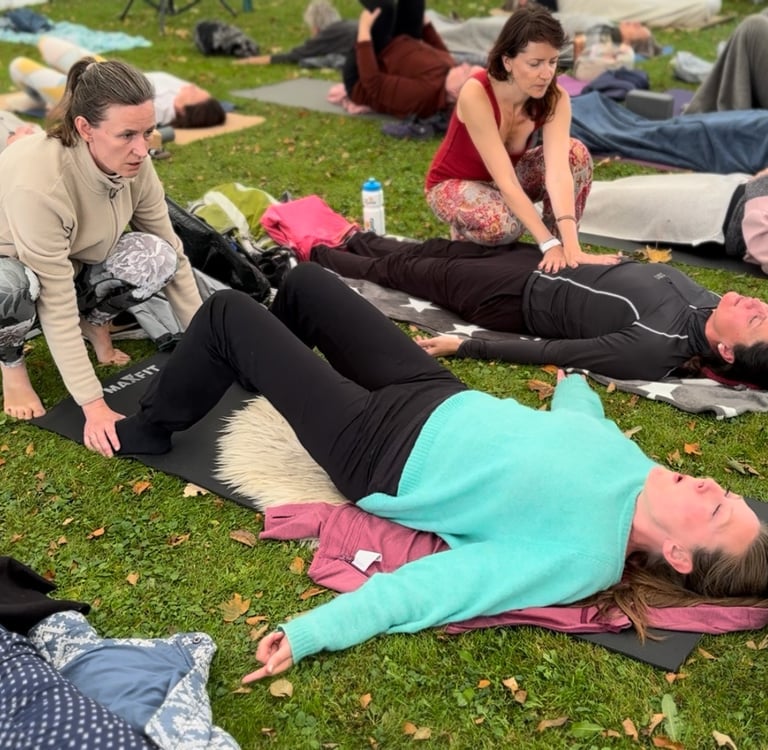
Different variant of Conscious Connected Breathing, Alchemy of Breath or Rebirthing Breath is a powerful, evidence-based therapeutic technique for accessing deep states of insights. Has a form of rhythmic, continuous breathing cycles through the mouth. Practiced lying on the back in a safe space by experienced facilitators.
It activates both body and mind to restore balance, release stored emotions, and reconnect you with your natural vitality. Combining ancient wisdom from shamanic breath traditions with modern neuroscience and physiology — it is a meeting point between spirituality and science.
This conscious oxygenation pattern increases CO₂ tolerance, stimulates the vagus nerve, and shifts the body from a stress response (sympathetic) to a restorative state (parasympathetic).
The experience itself is beyond words — meditative, intense, and deeply transformative. You may release old emotions, reconnect with buried memories, or simply feel peace and presence return. Each journey is unique. You receive exactly what your body and mind are ready for.
Important: This type of breathing can trigger intense physical, emotional, and altered-state experiences that require the support of a trained facilitator. For safety and effectiveness, this technique should not be done alone and we recommend it to be repeated minimum every 2nd or 3rd month for a lasting effect. One session is an experience. Continuous Spirit Breath workshops attendance is a form of therapy.
BREATHWORK ORIGINAL METHOD
Considerations: may cause temporary muscle cramps. Use caution with epilepsy, schizophrenia, bipolar disorder, cardiovascular conditions, or pregnancy. Write or ask if you have medical situation that concerns you before you do Breathwork. Please consider we are not medical doctors and always have your doctors recommendation in special cases.
FREE BREATHING EVALUATION
Gain insight into your current state and uncover the tools that can support you.
BREATHE
BREATHING EXERCISES
We have 3 main types of breath exercises for self regulation.
Daily practice is a crucial element of finding a way to handle life with calm and clarity.
MO BETTER BREATH
Balancing Breath
Activating Focus Breath
Calming Breath
GO BETTER BREATH
SLOW BETTER BREATH
DAILY PRACTICE
Steady breathing rate of about 5 breaths per minute. This pace is close to the body’s “resonance frequency,” which helps synchronize (or cohere) respiratory, cardiovascular, and nervous system activity. It is a simple, rhythmic breathing technique designed to help regulate the nervous system, reduce stress, and promote emotional balance. It’s often used in mindfulness, yoga, and therapeutic settings.
Key Benefits:
Nervous System Regulation
Activates the parasympathetic nervous system, promoting a calm "rest-and-digest" state. Reduces sympathetic overdrive (chronic stress response).Improved Heart Rate Variability (HRV)
Enhances HRV, a marker of cardiovascular health and emotional resilience. Syncs breathing with heart rhythms (cardiorespiratory coherence).Stress and Anxiety Reduction
Lowers cortisol levels. Reduces anxiety by promoting a steady, predictable rhythm of breathing. Often used in trauma-informed therapies, mindfulness, and yoga.Enhanced Focus and Mental Clarity
Slower breathing calms mental chatter and improves concentration. Supports meditation and mindfulness practices.Better Oxygenation and Respiratory Function Encourages diaphragmatic breathing, improving lung efficiency. Balances oxygen and carbon dioxide levels in the blood.
Sleep Support
Helps induce a relaxed state conducive to falling asleep. Reduces nighttime awakenings related to stress or panic. Used In: Clinical therapy (e.g., trauma recovery, PTSD, anxiety)Performance optimization (e.g., athletes, musicians)
Breathwork and meditation traditions Biofeedback training
Progressive breathing technique that combines cyclic nasal inhalation, passive exhalation, and breath-holding in increasing durations. It is designed to train breath control, increase CO₂ tolerance, and stimulate adaptive stress responses in the body. Each stage builds upon the last, progressively exposing the body to increased levels of carbon dioxide (CO₂) and brief, voluntary hypoxia (reduced oxygen availability).
Physiological Mechanisms
CO₂ Tolerance Training: Holding the breath after exhalation increases CO₂ levels in the blood, which can enhance respiratory efficiency and improve the body's ability to tolerate elevated CO₂ without triggering panic or over-breathing.
Hypoxic Preconditioning: The mild hypoxia induced by the exhale breath-hold can stimulate adaptive responses in the cardiovascular and metabolic systems, including increased oxygen utilisation efficiency.
Parasympathetic Activation: The nasal breathing and controlled breath-holding help activate the vagus nerve, supporting a relaxation response and down regulating sympathetic arousal.
Enhanced Focus and Stress Resilience: This practice introduces intentional stress through breath-holding, allowing the practitioner to remain calm under pressure, which can improve emotional regulation and mental clarity over time.
Key Benefits:
Improved CO₂ and O₂ regulation
Increased mental resilience and emotional control
Strengthened diaphragmatic function and respiratory capacity
Potential enhancement in VO₂ max and athletic performance (when integrated into training)
Activation of adaptive hormesis—a mild stress that triggers positive biological responses
Controlled breathing technique shown to support autonomic nervous system regulation, particularly by enhancing parasympathetic (vagal) activity. This practice slows respiratory rate and extends the exhalation phase, which has specific physiological and psychological benefits.
Inhalation activates the sympathetic nervous system (SNS), which is associated with alertness and arousal. Exhalation, particularly when prolonged, stimulates the parasympathetic nervous system (PNS) via the vagus nerve, promoting a state of relaxation. By extending the exhale, we reduce sympathetic dominance and shift the body toward parasympathetic balance.
Key Benefits:
Reduced Heart Rate and Blood Pressure
Studies show that slow-paced breathing, especially with longer exhalations, lowers heart rate variability (HRV) and supports cardiovascular regulation.Improved Heart Rate Variability (HRV)
A marker of nervous system balance and resilience. Higher HRV is linked to better stress tolerance and emotional regulation.Decreased Cortisol Levels
Controlled breathing practices are associated with reductions in cortisol, the primary stress hormone.Anxiolytic Effects
Clinical trials and psychophysiological research suggest that slow, extended exhalation breathing lowers symptoms of anxiety and improves mood regulation.Enhanced Respiratory Efficiency
The longer exhalation encourages full emptying of the lungs, which can improve oxygen exchange and support diaphragmatic breathing
BREATHWORK
THE ART OF CONSCIOUS LIVING
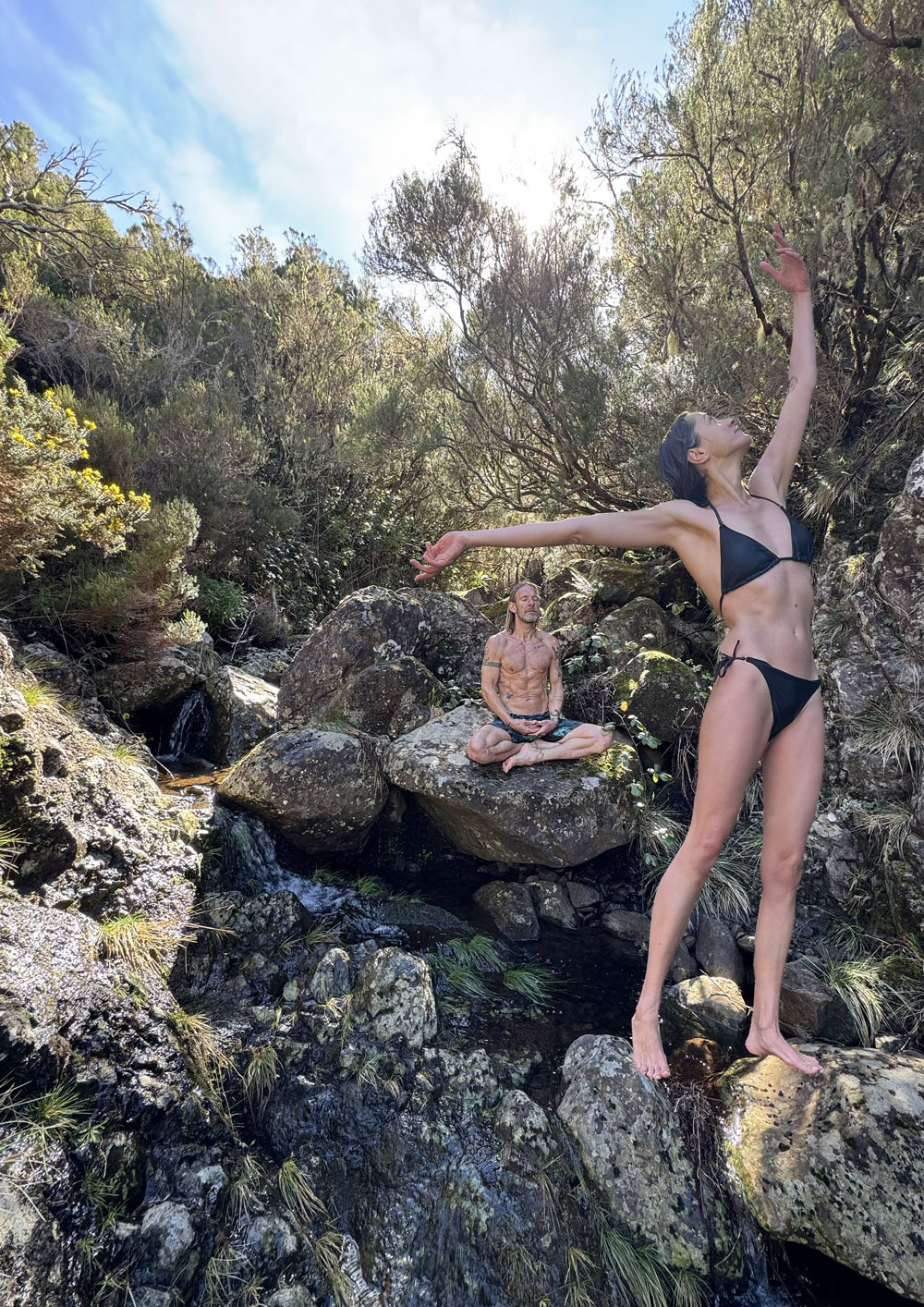
Life begins and ends with a breath. It's rhythm dictates how we live. There is a beautiful shift taking place. More and more people are rediscovering the intelligence of the breath — not as a technique, but as a path to consciousness. When people learn to breathe again, they also learn to live again.
In a world that constantly pulls our attention outward, the breath invites us inward. Through intentional breathing, movement, and meditation, we learn to regulate the very systems that shape our health and emotional wellbeing. Each inhale awakens vitality; each exhale releases tension and noise.
We base our teachings on Native tribes wisdom. Ancient ways had much more authentic connection to nature where we all come from.
Hikwsi is a Hopi term for “Breath of life"
Includes one’s emotional life, behavior, and alignment with Hopi values — harmony, community, respect, spiritual balance.
Emotional disturbance, illness, or disharmony in life are seen as signs of a weak or disrupted connection to hikwsi. Practices like breath, ritual, prayer, ceremony, and living in harmony with nature are ways to nurture, restore, and maintain that connection.
Vital life force that connects a person to the spiritual realm, nature, ancestors.
KEY ELEMENTS
BREATHWORK
MOVEMENT
Movement enhances Breathwork by freeing physical tension and improving the flow of energy and oxygen throughout the body.
When the body moves consciously, the breath deepens naturally — creating harmony between muscles, fascia, and the nervous system, and allowing the breath to circulate with greater ease.
BUDDHISM
In Buddhism, the breath is a gateway to awareness — a tool for cultivating mindfulness and presence in every moment. Breath-centered practices like Anapanasati (mindfulness of breathing) teach how observing the breath quiets the mind, balances emotions, and reveals the natural stillness beneath thought.
BODY THERAPY
Physiotherapy supports Breathwork by improving posture, mobility, and muscle function — creating the physical space and alignment needed for deep, efficient breathing.
Acupressure and acupuncture complement this by stimulating energy flow (Qi) and calming the nervous system, helping release blockages in both body and mind so the breath can move freely and restore balance.
SOUND & FREQUENCY
Sound deepens Breathwork by harmonizing body and mind.
Music, gongs, drums, flutes, and chanting guide rhythm and focus, calm the nervous system, and open emotional flow. The vibration of sound and voice enhances relaxation, clears tension, and helps the breath move freely — turning every session into a state of resonance and inner balance.
BREATH
Breathing exercises are the heart of breathwork — simple yet powerful techniques that help balance the body, calm the mind, and expand awareness.
Through guided patterns of deep, rhythmic, and conscious breathing, we activate the body’s natural ability to release stress, increase oxygen flow, and restore harmony in the nervous system.
CONSCIOUSNESS
Awareness in the breath, shifts from automatic survival patterns to intentional presence. Conscious breathing turns an unconscious act into a tool for transformation — allowing us to observe, feel, and release what lies beneath the surface.
Through awareness, the breath becomes a bridge between body, mind, and spirit.
We're planning to launch a 3 level training to deepen your breathing practices if you are a professional in any type of therapy and would like to further understand the breath in your own practice or as a Breathwork facilitator or a Breathwork Therapist.
To start thinking about working with Breathwork you need to attend at least 10 Breathwork sessions yourself.
BREATHING HEALS COURSE
Join our Online Breathing Community to get the access to the easy follow along Breathing video practices.

BREATH-LETTER SIGNUP
CONTACT
LEGAL NOTICE
Nogravity Esben Seir I CVR: 32519156 I Siljangade 1, 2300 Copenhagen Denmark
POWERED BY